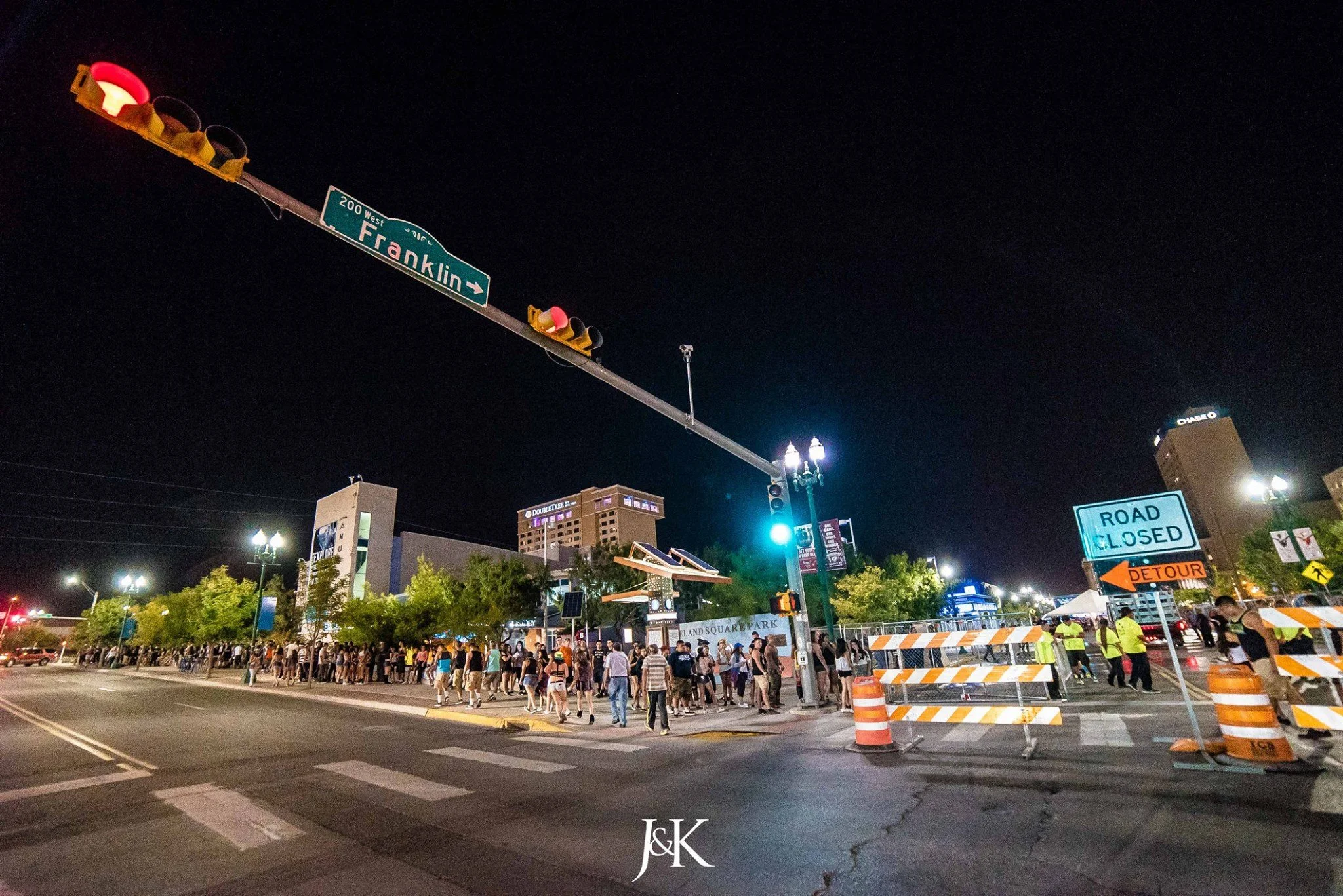
Trapfest 2016: Where it all started
In 2016, I managed my first project — a one-day outdoor music festival in El Paso featuring six artists across a single stage. By most measures, it was a small event. By every measure that matters, it was where I learned what project management actually feels like from the inside.
Nobody handed me a playbook. I was responsible for everything: the permits, the vendors, the artists, the security, the city coordination, the setup, and the teardown. If something needed to happen, I either made it happen or figured out who could. That experience set the standard I have held myself to ever since.
What I owned.
Artist Coordination: Served as the primary point of contact for each musician's tour manager, managing logistics, schedules, and expectations from confirmation through performance.
Backstage Hospitality: Managed all artist backstage needs end-to-end, ensuring every performer had what they needed to show up and deliver.
Permitting and Compliance: Navigated the city permitting process to legally host an outdoor festival, securing all necessary approvals on time and without incident.
Security Management: Hired, briefed, and managed the full security team responsible for attendee safety throughout the event.
City Coordination: Worked directly with city departments to arrange road closures and parking meter reservations, minimizing neighborhood impact and keeping the event compliant.
Production Logistics: Coordinated the rental, delivery, setup, and teardown of barricades and stage production equipment, managing vendor timelines across the full event lifecycle.

What I produced.
A festival that ran on time, on budget, and without incident
Six artists who showed up, performed, and left with their needs met
A neighborhood that was minimally disrupted and a city that granted us what we asked for
A first-time project manager who walked away knowing this was the work she wanted to do

overall.
What made this experience formative was not the scale — it was the scope. Every core discipline of project management was present: stakeholder communication, vendor coordination, risk management, permitting and compliance, resource allocation, and day-of execution. I did not know to call it that at the time. I just knew I was good at it and that I wanted more of it.
TrapFest 2016 was not a career highlight because of what it was. It was a career highlight because of what it started. Every project I have managed since — every system I have built, every stakeholder I have aligned, every deadline I have held — traces back to the instincts I developed standing behind that stage making sure everything went exactly as planned.